
Schools, Leaders and Maslow's Hierarchy of Needs
How practising compassion will help schools reach their potential.
In a recent supervision session with a school leader, I shared with them Maslow’s Hierarchy of Needs.
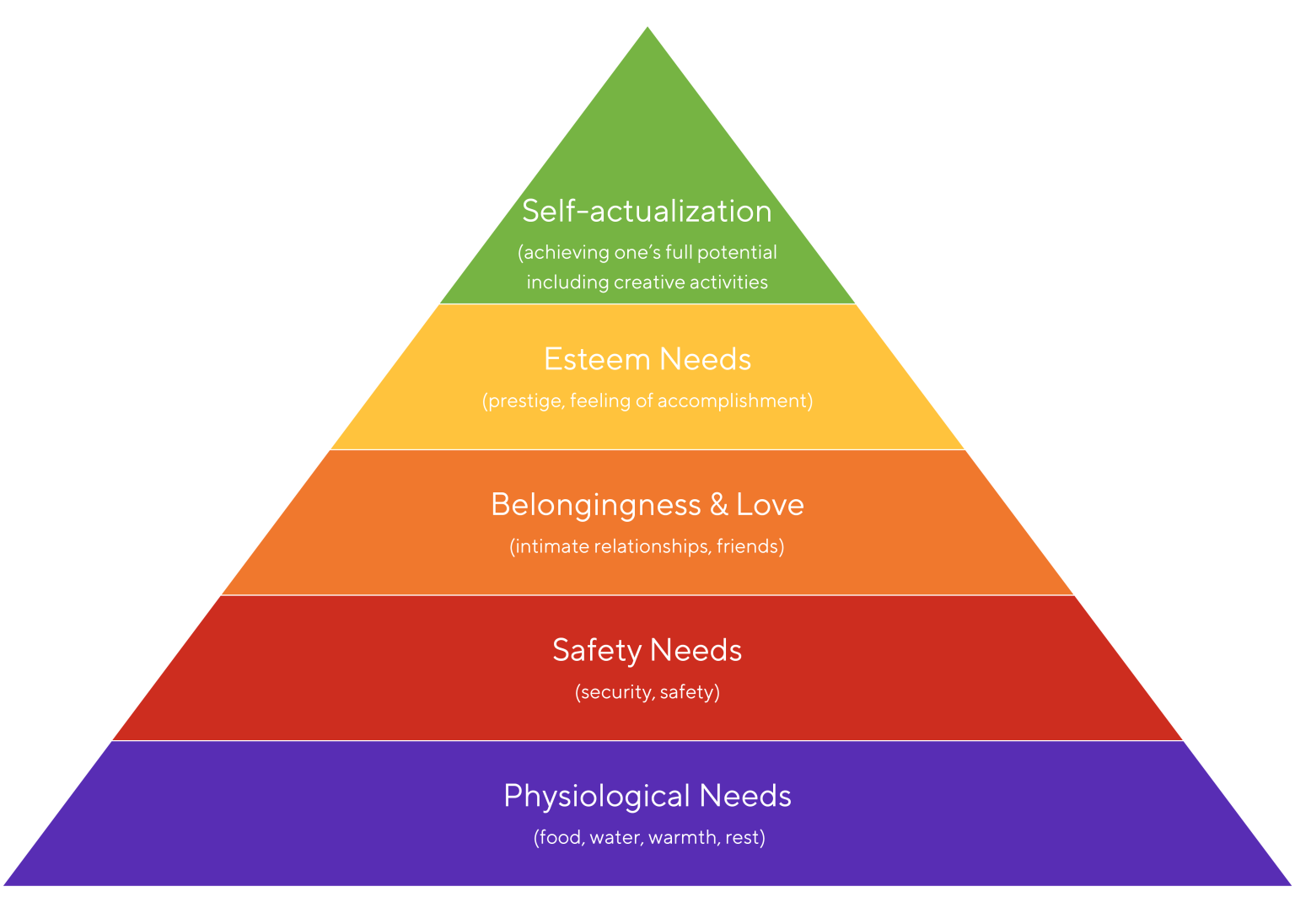
We were discussing the need to meet the baseline needs, or Lower Needs, namely Physiological Needs, Safety Needs, and Belonging and Love. Without these needs being met, it is not possible to achieve the Higher Needs of Esteem Needs and Self-Actualisation.
This can be a common discussion that I have with school leaders. Without meeting your own needs first, you cannot hope to achieve your potential in your role. For instance, if you avoid exercising and giving your body the appropriate rest and fuel that it requires, you will be unable to reach your full potential in your role because your body is not sufficiently cared for.
Sometimes, it isn’t about the Physiological Needs. It’s about feeling safe and experiencing that sense of belonging in your work environment; something which can be challenging when working in an unhealthy or toxic work culture.
After the session though, I reflected on the limitations that schools themselves face in the context of Maslow’s Needs.
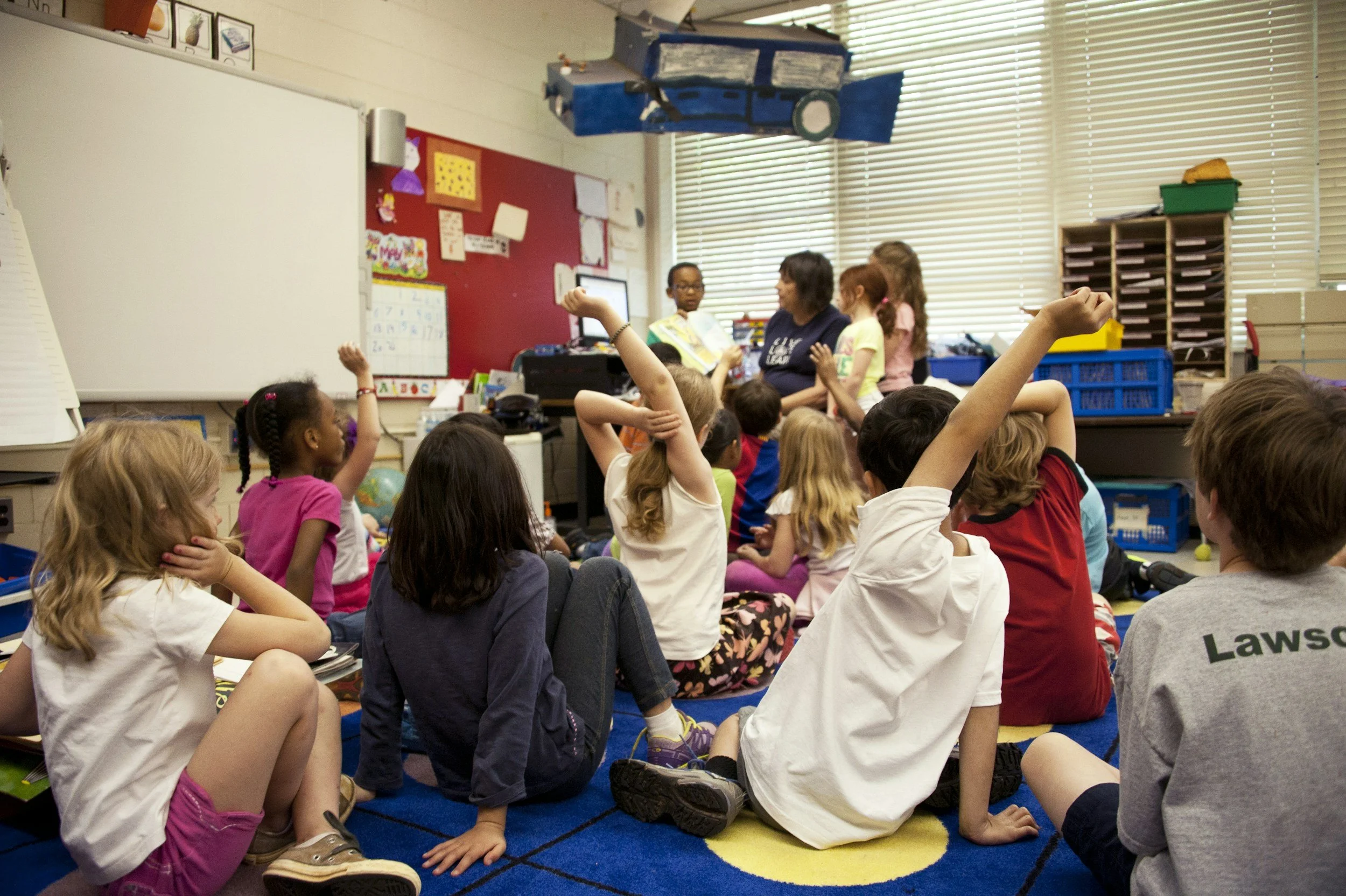
Schools are under such pressures and expectations. It can come from all directions: the Government, the Department of Education’s latest reforms and expectations, Ofsted, society’s lack of respect or appreciation for the sector, SEND reforms. lack of proper funding, parental complaints and challenging student behaviour, to name but a few.
Maslow’s theory is based on the assumption that the Higher Needs cannot be achieved without the Lower Needs in place. And even if they are briefly achieved, it is not sustainable.
Consequently, it is little wonder that schools are struggling to reach their true potential when their foundations are crumbling.
Let’s explore a couple of examples to demonstrate this.
1) Physiological Needs
Physiological Needs include our survival basics: food, drink, shelter, warmth and rest. For schools, this can be challenged on a number of levels.
A chronic challenge in the sector is maintaining the wellbeing of staff. Many school leaders that I work with report overworking and not getting enough rest. Educators can struggle to care for themselves because they are prioritising their workload and the needs of their students and colleagues. This can lead to burnout and people leaving the sector.
Additionally, many schools across the UK are functioning in buildings that are no longer fit for purpose. The buildings have either been poorly maintained or no longer suit the number of pupils in the classrooms.
When these basic needs are not being met, reaching the school’s potential, which is to give each child the best opportunity in life and receive the best possible education, is limited.
2) Safety Needs
Safety Needs refer to a person having enough resources, money and shelter to feel secure and protected.
The safety of schools, their staff and students has become increasingly challenging in recent years. With the limitations on funding and school budgets being cut beyond what is realistic, it is forcing school leaders to make difficult decisions.
Where once teaching was considered a secure job for life, schools are now having to consider redundancies or staffing restructures to make ends meet. When staff members choose to move on, they are not always being replaced, causing further pressures and restrictions on remaining staff.
Not only that but the rise in parental complaints leads to further stress and anxiety. Education Support’s annual Teacher Wellbeing Index (2024) found that 43% of staff reported an increase in vexatious complaints from parents.
3) Belonging and Love
This Need refers to our social nature. Once we have achieved our Physiological and Safety Needs, we are driven to make connections with others, helping us to develop a sense of belonging.

This can be something that many schools do well. Many schools rely on their staff’s willingness to go above and beyond for each other, especially in these challenging times. This comes from that sense of connectedness and belief that we are all in it together.
Nevertheless, this need can still be limited by toxic work places and a lack of appreciation that is often reported in the media or reflected in the latest unrealistic expectation from the DfE.
4) Esteem
Esteem is the first of the Higher Needs. It refers to earning the respect of others as well as offering ourselves self-esteem, self-compassion and self-kindness.
This is often something that appears to be lacking from external sources for schools. The negative perceptions of the media, parents and even students has already been mentioned.
However, this need is often lacking within individual educators as well. School leaders are fast to acknowledge their mistakes (and under the sheer level of scrutiny that they face, they have little choice) but slow to acknowledge their achievements, sharing success out around their teams rather than accepting the role they also had to play.
Self-doubt can creep in and be crippling.
In addition, when Ofsted come calling, there is a fear of being caught out rather than expecting praise.
5) Self Actualisation
Once all of these needs have been met, only then is it possible to reach self actualisation or in other words, realising your potential.
Without going into the challenges that schools face in too much detail, it is clear that there are many limiting factors preventing schools from reaching their full potential, and thus helping their pupils to reach their potential too.
The intention of this blog is not to create a pity-party or encourage you to give up. Rather, it is an opportunity for reflection and compassion.
Look at how many challenges there are facing you and your colleagues when it comes to reaching your school’s potential.
Now notice all of the amazing things that you are doing already.
Notice the significant differences that you make to your students’ lives everyday.
Notice how you work to overcome the challenges that you face.
Notice the resilience that you and your team hold.
This isn’t about cutting corners, slowing down or taking your foot off the gas. It’s not about saying, “This is enough and we’ll make no further changes or progress.”
This is an opportunity to acknowledge your achievements. It’s an opportunity to grow your Esteem Needs and realise all that is going well. Congratulate yourself and your team for what you have done.
Compassion is obviously the way.
Compassion is part of the way forward here. Compassion allows you to acknowledge that you and your team are doing their best, especially considering the challenging circumstances of working in a school right now. The fact that you are not always able to reach your school’s full potential does not make you a bad person.
You’re just someone doing their best in a tough situation.
A study by Leeds Becket University entitled, “Staff wellbeing is key to school success”, found that pupils learn more when their teachers are happy, healthy and well.
When it comes to Maslow’s Hierarchy of Needs and how it can be adapted for schools, this is a fundamental starting point.
Model good wellbeing to your staff. Speak about the importance of rest and enjoying time away from school. Ask about staff wellbeing and demonstrate that it is on your school’s agenda.
Most significantly, apply this learning to yourself as well. You are doing your best and you are worthy of meeting your needs too.
Looking for quick teacher wellbeing tips for you and your staff? Sign up for my free weekly wellbeing email, the Punchline.
Helping you make incremental changes to your wellbeing in 30 words or less.